Provider Strategies in Crafting Hybrid Bingo-Slot Mechanics for Digital Platforms
Written by Amir Coleman · Sep 6, 2026
Provider Strategies in Crafting Hybrid Bingo-Slot Mechanics for Digital Platforms
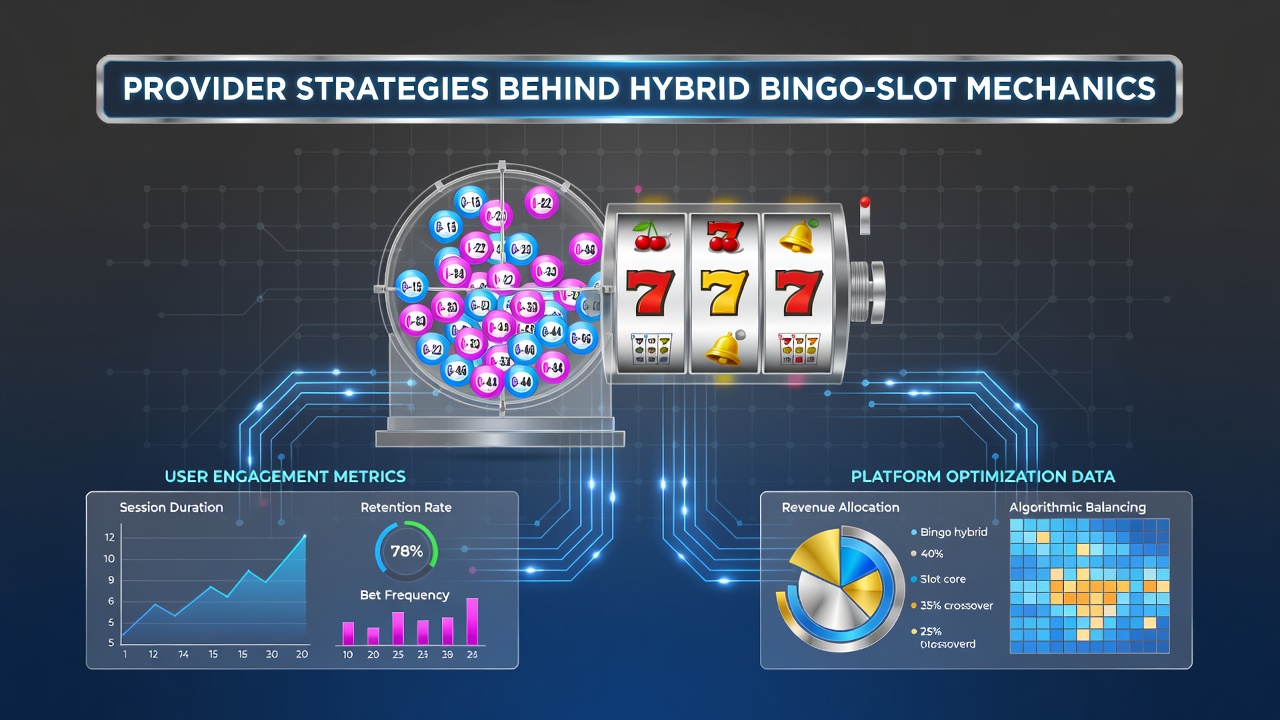
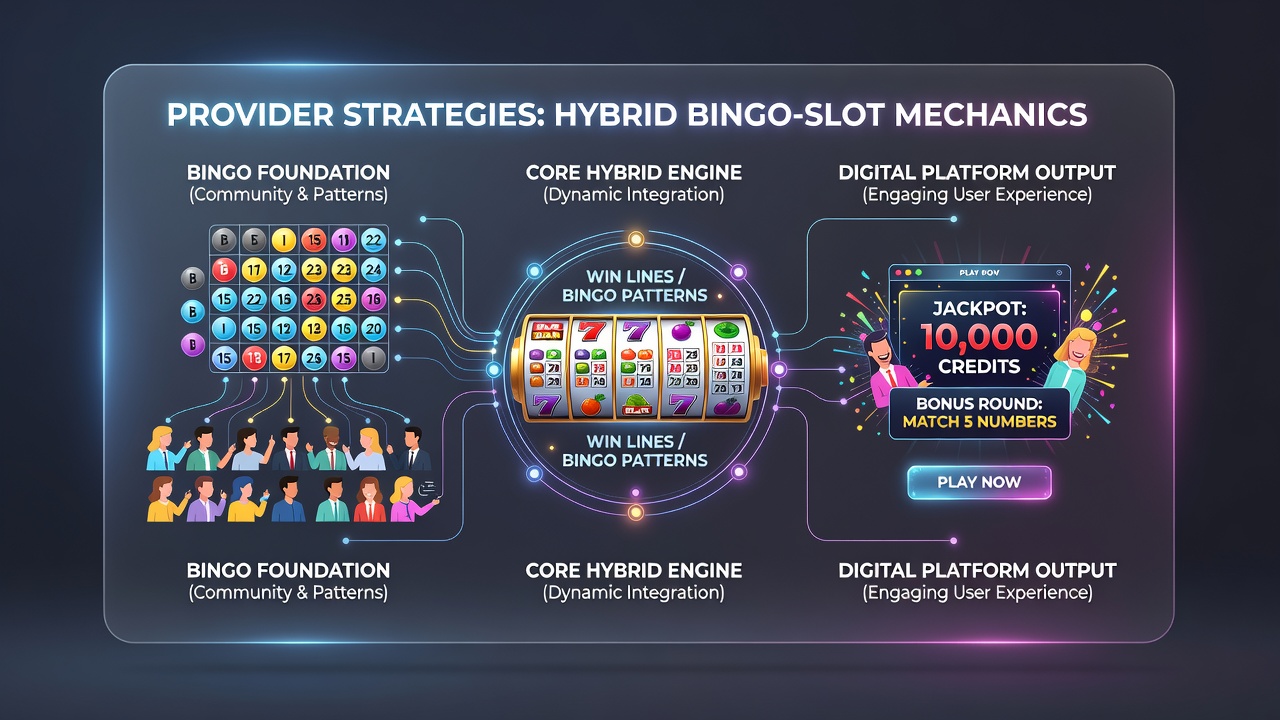
Game providers build hybrid bingo-slot mechanics by merging the number-drawing structure of bingo with the reel-spinning format common in slots, and this approach allows platforms to offer players a single session that combines matching requirements with random symbol outcomes. Providers focus on integrating random number generators that handle both bingo card fills and slot reel results simultaneously, which creates a unified game loop where wins can trigger from either component or from combined sequences.
Core Design Integration Methods
Providers start by mapping bingo grids onto slot interfaces so that marked numbers influence reel behavior, and they achieve this through layered software engines that process multiple event types in one spin cycle. Data from industry reports indicates that these engines reduce server calls by handling bingo draws and slot animations within the same frame rate, while developers test for lag across various device types. In September 2026 several providers rolled out updated APIs that synchronize bingo ball calls with reel stops, and this timing coincided with broader mobile bandwidth improvements reported across European markets.
Random Number Generator and Fairness Controls
Providers rely on certified random number generators that produce independent sequences for bingo numbers and slot symbols, yet they link the two through weighted probability tables that maintain return-to-player percentages across both elements. Regulatory documents from the New Jersey Division of Gaming Enforcement show that hybrid titles undergo separate testing for each mechanic before the combined game receives approval, and this dual-review process ensures that no single component skews overall outcomes. Observers note that providers often publish the underlying RNG seed ranges for third-party audits, which builds transparency without revealing proprietary weighting formulas.
Player Engagement and Retention Features
Retention strategies center on progressive jackpot pools that accumulate from both bingo matches and slot line wins, and these pools update in real time so players see shared growth across game modes. Providers add multiplier ladders that increase when bingo patterns complete during slot bonus rounds, which extends session length because players chase higher multipliers rather than restarting separate games. Research from the Victorian Commission for Gambling and Liquor Regulation tracks session duration metrics and finds that hybrids with linked progressions hold average play times 18 percent longer than standalone titles, although exact figures vary by operator implementation.
Regulatory Compliance and Market Adaptation
Providers adjust hybrid mechanics to meet jurisdiction-specific rules on game classification, and they achieve this by separating the bingo and slot components into distinct code modules that can be toggled or modified per region. In markets where bingo falls under different licensing than slots, providers isolate the number-draw function so it can run under one license while the reel engine runs under another. This modular structure also allows quick updates when regulators change payout disclosure requirements, and providers maintain version logs that auditors can review without accessing full source code.
Technological Infrastructure Choices
Backend systems use microservice architectures that assign separate services to bingo logic, slot rendering, and jackpot tracking, which lets providers scale individual components during peak traffic without restarting entire games. Cloud-based rendering pipelines handle the visual overlay of bingo cards on slot screens, and these pipelines cache common animation assets to reduce load times across different connection speeds. Providers test hybrid titles against multiple operating systems to confirm that touch inputs register correctly on both bingo grids and reel controls, and they document failure rates during quality assurance cycles.
Conclusion
Provider strategies for hybrid bingo-slot mechanics rest on coordinated RNG systems, modular compliance tools, and retention mechanics that link progress across game types, and these elements combine to produce titles that operate consistently across devices and regulatory environments. Continued refinement of API timing and audit logging supports ongoing deployment in expanding digital markets.